


Our Solutions
NZ Solar Energy Solutions Provider
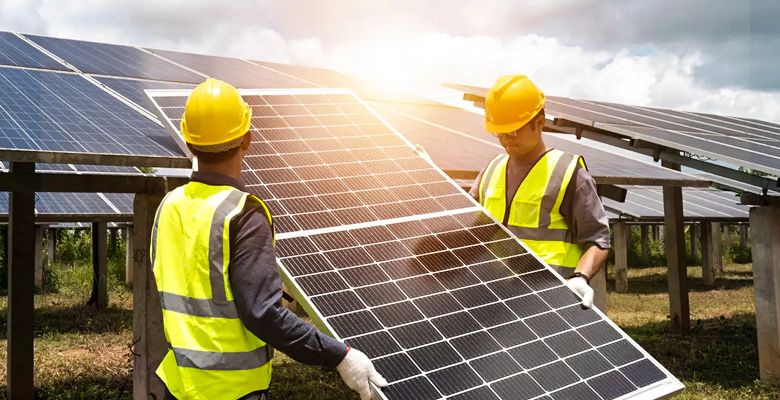
Complete solar installations for homes and businesses across New Zealand. From site assessments to grid-connect systems, our turnkey service ensures fast approvals and maximum energy savings.
Designer and Producer of NZ's first Solar, Wind & Hydro transportable POD
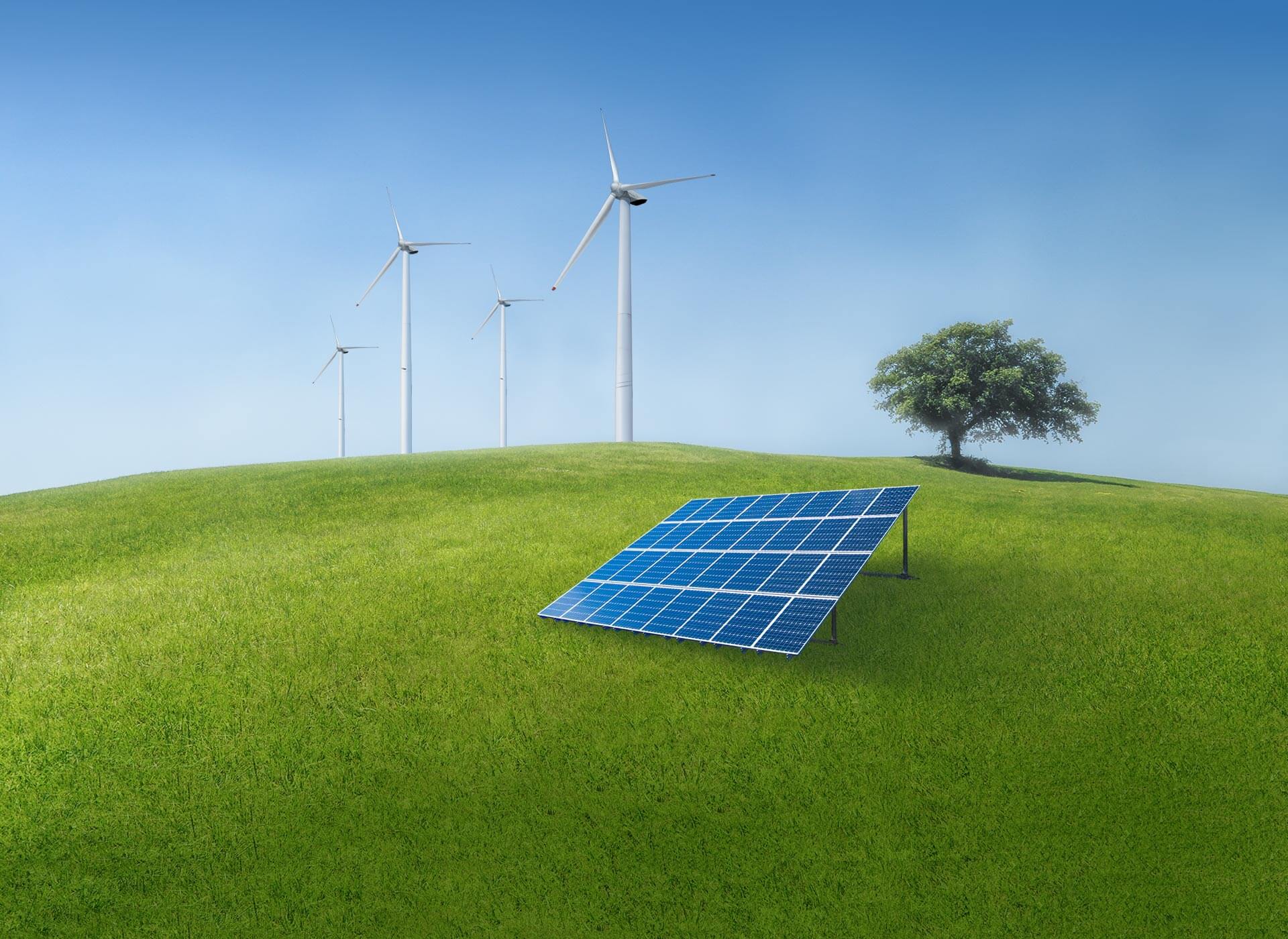
New Zealand's first all-in-one transportable power POD—deployable by helicopter to remote sites. Integrates solar, wind, and hydro for reliable off-grid energy, perfect for mining, events, or disaster response.
Expert Civil Engineering for Solar Success in NZ
Senior CPEng-certified civil engineering services tailored for solar projects nationwide. We deliver fast roof structural certifications, site feasibility studies, and compliance reports per AS/NZS 5033 and NZ Building Code—ensuring your installations meet consents in days, not weeks.
Introducing WildGrid
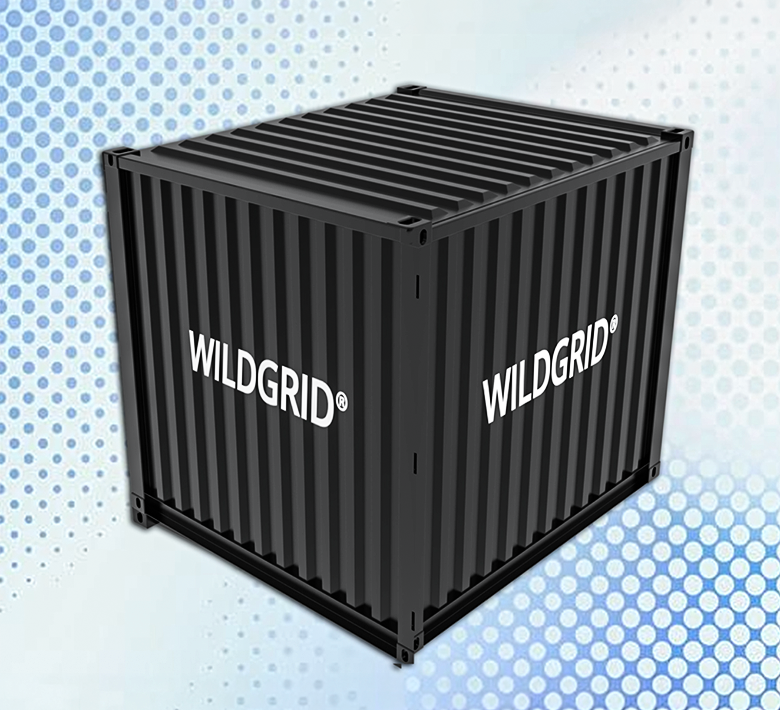
“Untamed energy for off-grid living”
Ultra-thin perovskite solar cells
What ultra-thin perovskite solar cells are
Ultra-thin perovskite solar cells are a new type of solar technology that uses a very thin light-absorbing material called a perovskite instead of, or alongside, traditional silicon. The perovskite layer can absorb light efficiently even when it is much thinner than conventional solar material, which makes the cells lightweight, flexible, and potentially cheaper to manufacture at scale. Research has also shown that perovskite cells can be made semi-transparent and can still generate power under indirect or diffuse light, which is useful for buildings and urban environments.energy+1
Main benefits of the technology
The biggest advantages are efficiency potential, lower material use, and design flexibility. Perovskite solar cells have advanced rapidly in lab settings, and tandem designs that combine perovskite with silicon have reached very high efficiencies. Because they can be made with thinner active layers and low-temperature processes, they may reduce manufacturing cost and energy input compared with more traditional photovoltaic methods. Their ultra-thin form also makes them attractive for surfaces where standard rigid panels are difficult to use, such as windows, facades, lightweight structures, and portable systems.jstage.jst.go+2
Why this matters in the South Pacific
For the South Pacific, the appeal is not just electricity generation — it is deployment flexibility. Islands often have limited land, high shipping costs, harsh marine conditions, and a need to use rooftops, walls, and other existing surfaces efficiently; ultra-thin and lightweight solar products could help unlock more generation opportunities without requiring large ground-mounted sites. Semi-transparent or building-integrated versions could be especially useful for commercial buildings, resorts, government offices, schools, and transport infrastructure, where solar can be added without changing the look or function of the structure.jstage.jst.go+1
Benefits for business
For businesses, this technology can support lower energy costs, improved brand positioning, and better use of building assets. A company could turn roofs, facades, and shaded structures into energy-producing surfaces, which is especially useful where land is scarce or expensive. It also creates a strong sustainability story for tourism operators, developers, exporters, and brands that want to show climate leadership in the Pacific market. In some cases, it may also support energy resilience by reducing dependence on imported diesel generation and improving onsite power options.energy+1
Benefits for government
For governments, the strongest value is in energy security, resilience, and public-sector decarbonisation. Pacific governments spend heavily on imported fuel in many locations, so any technology that helps expand local generation and reduce fuel exposure is strategically important. Ultra-thin perovskite systems could be useful for public buildings, schools, health facilities, and housing programs because they can be added to more surfaces than conventional panels and may work well in diffuse light conditions. They can also support climate adaptation goals by improving distributed generation and reducing the vulnerability of centralised power systems.
Contact Us
Ready to move your project forward? Contact our Management Office today to discuss solar energy solutions, the e3POD, or expert civil engineering support for your site.